There are places you visit, and places you return to.
Pelion belongs to the second category.
I’ve been coming to Pelion every summer of my life. I’ve celebrated birthdays there year after year, watched seasons change, and experienced the region not only in summer, but also in winter and during Easter. Over time, Pelion stopped being a destination and became a constant reference point — a place measured in memories rather than trips.
What makes Pelion difficult to describe is precisely what makes it special.
It is not a place of highlights or must-see lists. It’s a peninsula shaped by geography: mountains that descend into the sea, villages connected by old stone paths, two coastlines with completely different characters, and a rhythm of life that doesn’t adapt easily to rushed itineraries.
Pelion rewards those who slow down.
Distances that look short on a map feel longer once you start moving through mountain roads or walking between villages. Villages that seem similar reveal very different personalities once you spend time in them. Even the sea changes dramatically depending on whether you’re facing the Aegean or the Pagasetic Gulf.
Over the years, I’ve experienced Pelion in many ways:
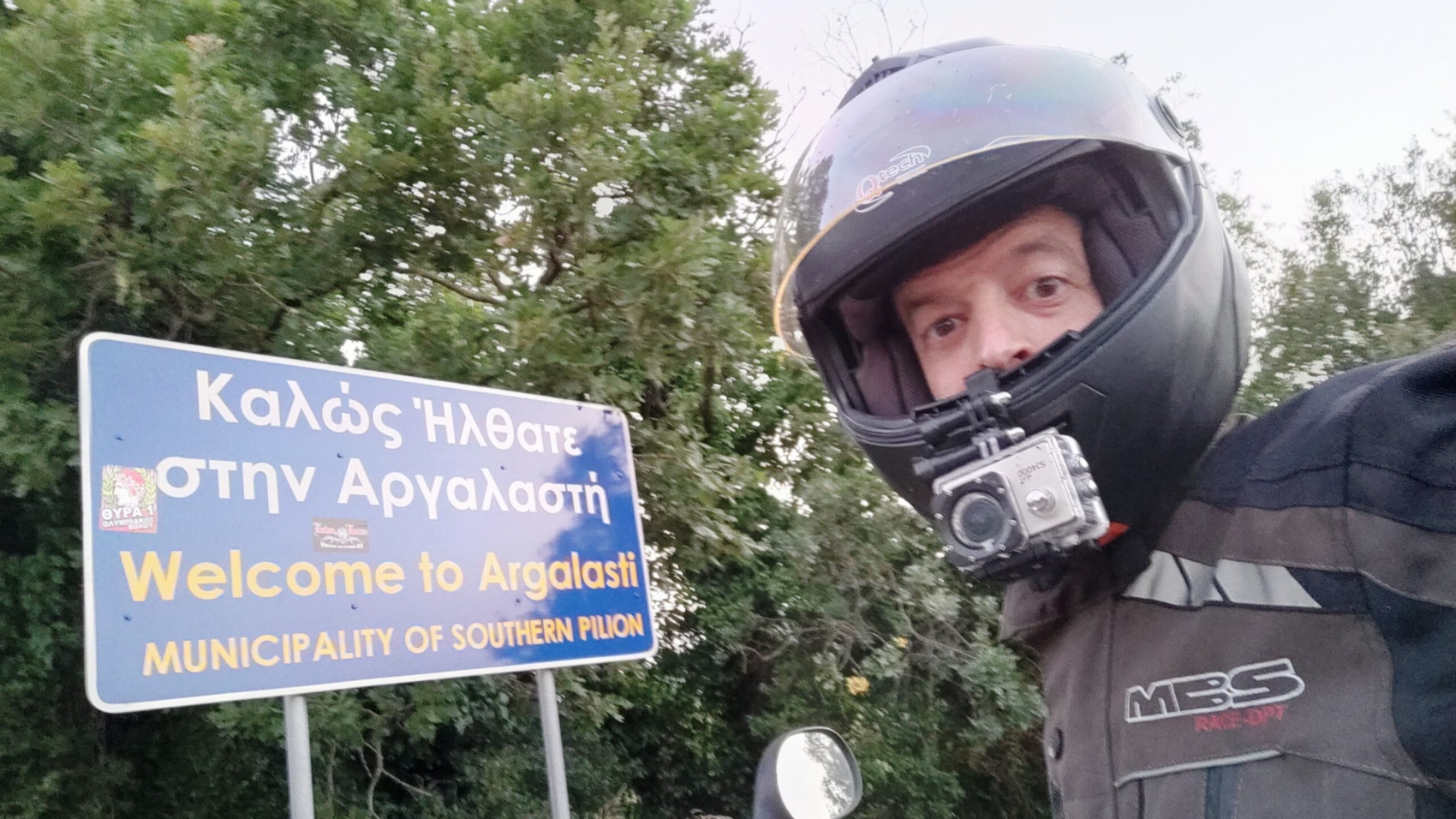
- traveling by car, motorcycle, camper van, and on foot
- staying in family homes, guest rooms, campsites, and tents by the sea
- walking traditional stone paths that were never meant for tourism, but for everyday life
What always stood out to me is how Pelion resists simplification. It doesn’t offer a single “best way” to be explored. Instead, it asks for attention — to terrain, weather, time, and people.
That’s why Pelion is often misunderstood. Many visitors arrive expecting a beach destination or a scenic mountain escape, only to realize that it doesn’t fit neatly into either category. And those who fall in love with it often do so slowly, sometimes without fully understanding why.
Recently, I decided to put some of this long-term experience into writing.
Not as a collection of recommendations or hidden spots, but as an attempt to explain how Pelion works as a region — how its geography influences movement, how villages relate to each other, and how travel there feels when approached with patience rather than urgency.
If you’re curious, I’ve gathered these observations into a travel guide focused on understanding Pelion rather than consuming it. It’s meant for independent travelers, hikers, and those who prefer context over checklists.
You can find the book here:
👉 Pelion Greece Travel Guide: Villages, Hiking Trails, Beaches and Authentic Life on Mount Pelion
Whether or not you read it, Pelion remains the same.
It’s not a place you “do” once.
It’s a place you grow into, over time.

Leave A Comment